 +91 8362744443 / +91 8362744444

Pregnancy involves several important milestones, and among them are prenatal blood screening tests that help assess your baby’s health early in pregnancy.
Tests such as the Double Marker Test, Quadruple Test, and NIPT are designed to estimate the risk of certain chromosomal conditions in the baby.
As a fetal medicine specialist, I always explain to parents — these are screening tests, not diagnostic tests. They help us understand risk and guide further care if needed.

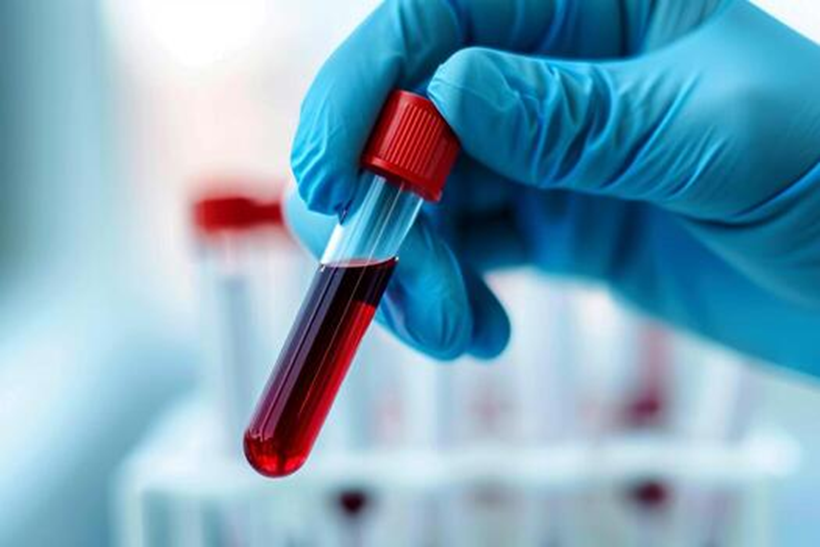
Why Are These Blood Tests Important?
These tests help:
- Estimate the risk of chromosomal conditions such as Down syndrome
- Screen for Trisomy 18
- Screen for Trisomy 13
- In some cases, assess risk for neural tube defects
- Provide early reassurance in most pregnancies
Early screening allows families to make informed decisions and plan the next steps confidently.
1️⃣ Double Marker Test
What Is It?
The Double Marker test is a first trimester blood test usually combined with the NT scan. It measures two substances in the mother’s blood:
- Free Beta-hCG
- PAPP-A (Pregnancy Associated Plasma Protein-A)
These values, along with the mother’s age and NT measurement, help calculate risk for chromosomal abnormalities.
When Is It Done?
Between 11 to 13 weeks + 6 days of pregnancy
What Does It Tell Us?
It provides a risk estimate, not confirmation. Most results come back as low risk, offering reassurance.
2️⃣ Quadruple Marker Test
What Is It?
The Quadruple test is a second trimester screening test performed when first trimester screening was not done.
It measures four substances in maternal blood:
- AFP
- hCG
- Estriol
- Inhibin A
These markers help estimate risk for chromosomal abnormalities and neural tube defects.
When Is It Done?
Between 15 to 20 weeks of pregnancy
When Is It Recommended?
- If first trimester screening was missed
- If additional risk assessment is required
3️⃣ NIPT (Non-Invasive Prenatal Testing)
What Is NIPT?
NIPT is an advanced screening test that analyses small fragments of the baby’s DNA circulating in the mother’s blood.
It is more sensitive and specific compared to traditional screening tests.
When Can It Be Done?
From 10 weeks of pregnancy onwards, preferably after NT scan
What Does It Screen For?
Primarily for:
- Down syndrome
- Trisomy 18
- Trisomy 13
Some expanded panels may screen for additional chromosomal conditions.
Is It Diagnostic?
No. NIPT is still a screening test, though highly accurate.
If NIPT shows high risk, confirmation through diagnostic testing such as Amniocentesis may be advised.
What Happens If a Screening Test Is High Risk?
If results indicate increased risk:
- Detailed counselling is provided
- Further targeted ultrasound may be advised
- Diagnostic testing options are discussed
- Emotional and medical support is offered throughout
It is very important to understand:
👉 High risk does not always mean the baby has a condition.
👉 Many high-risk results turn out normal after confirmatory testing.
Which Test Should You Choose?
The choice depends on:
- Gestational age
- Maternal age
- Previous pregnancy history
- Ultrasound findings
- Personal preference after counselling
Your fetal medicine specialist will guide you based on your individual situation.
Are These Tests Safe?
Yes. All three tests involve only a simple maternal blood sample and pose no risk to the baby.
Final Thoughts
Prenatal blood screening tests are powerful tools that provide:
✔ Early reassurance
✔ Risk assessment
✔ Informed decision-making
✔ Time for further evaluation if required
Most pregnancies result in normal screening outcomes. These tests are not meant to create anxiety — they are designed to offer clarity and preparedness.
If you are pregnant and unsure which screening test is right for you, consult your fetal medicine specialist to receive personalised guidance.
Frequently Asked Questions (FAQ)
1. Are these tests mandatory?
They are recommended for all pregnancies but remain optional.
2. Are these tests safe?
Yes, they require only a maternal blood sample.
3. What if the result is high risk?
Further counselling and diagnostic testing may be advised.
4. Is NIPT diagnostic?
No, confirmation through amniocentesis may be required.
5. Which test is best?
Depends on gestational age, history, and patient preference.