 +91 8362744443 / +91 8362744444

Pregnancy is a journey of hope and anticipation. During this journey, one of the conditions commonly discussed in prenatal screening is Down syndrome.
As a fetal medicine specialist, my goal is to provide clear, balanced, and compassionate information so that families can make informed and confident decisions.
What Is Down Syndrome?
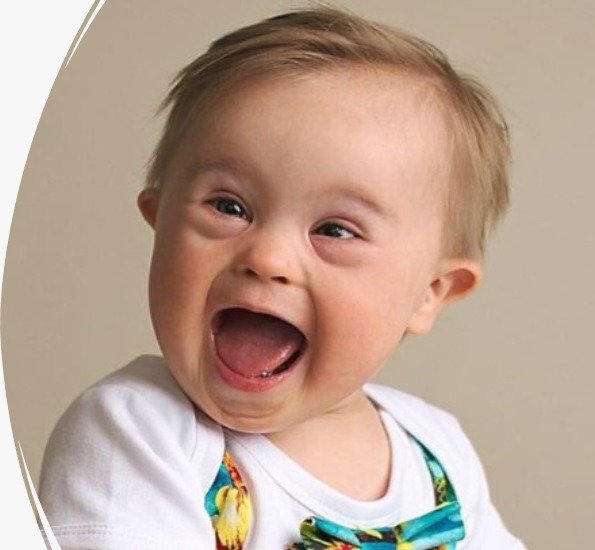
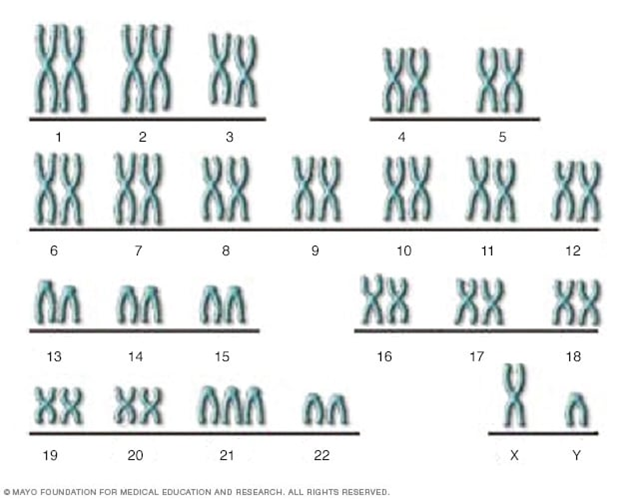
Down syndrome, also known as Trisomy 21, is a genetic condition that occurs when a baby has an extra copy of chromosome 21.
Normally, each cell has 46 chromosomes. In Down syndrome, there are 47 chromosomes due to the additional chromosome 21.
This extra genetic material affects physical growth, facial features, and intellectual development to varying degrees.
How Common Is Down Syndrome?
Down syndrome is one of the most common chromosomal conditions worldwide.
The chance increases with maternal age, but it is important to understand:
👉 Down syndrome can occur in pregnancies of women of any age.
👉 Most babies with Down syndrome are born to women under 35 years, simply because more women in this age group become pregnant.
What Causes Down Syndrome?
It is usually caused by a random genetic event during the formation of the egg or sperm.
In most cases:
- It is not inherited
- It is not caused by anything parents did or did not do
There are three main types:
- Trisomy 21 (most common)
- Translocation Down syndrome
- Mosaic Down syndrome
How Is Down Syndrome Screened During Pregnancy?
Down syndrome is first identified through screening tests, not diagnostic tests.
1️⃣ First Trimester Screening
Includes:
- NT scan
- Double /Quadruple Marker Test
Done between 11–13+6 weeks.
2️⃣ Second Trimester Screening
Includes:
- Second trimester Quadruple Test
Done between 15–20 weeks.
3️⃣ NIPT
NIPT is a highly sensitive blood test that analyses fetal DNA in maternal blood and provides a more accurate risk estimate.
Can be done from 10 weeks onward.
Important: Screening vs Diagnosis
Screening tests estimate risk.
They do not confirm the condition.
If screening shows high risk, diagnostic testing may be advised.
How Is Down Syndrome Confirmed?
Definitive diagnosis is done through:
- Chorionic Villus Sampling (first trimester)
- Amniocentesis (second trimester)
These tests analyse the baby’s chromosomes directly.
What Ultrasound Findings May Be Seen?
Certain ultrasound markers may raise suspicion, such as:
- Increased nuchal translucency
- Absent nasal bone
- Certain heart defects
- Multiple soft markers on anomaly scan
However, many babies with Down syndrome may have minimal or no obvious structural abnormalities on scan. Definitive testing is by diagnostic tests like CVS or Amniocentesis.
What Does Down syndrome Mean for a Child?
Children with Down syndrome may have:
- Mild to moderate intellectual disability
- Characteristic facial features
- Increased risk of congenital heart defects
- Possible thyroid or hearing issues
However:
👉 Many children with Down syndrome attend school.
👉 Many lead fulfilling, happy lives.
👉 Early intervention programs significantly improve development outcomes.
Life expectancy and quality of life have improved significantly over the years with proper medical care.
What Happens If Diagnosis Is Confirmed?
If diagnostic testing confirms Down syndrome:
- Detailed counselling is provided.
- Parents are informed about medical, developmental, and long-term considerations.
- Options are discussed respectfully and non-directively.
- Multidisciplinary support is arranged if pregnancy continues.
The decision-making process is personal and should always be supported with empathy and evidence-based information.
Emotional Considerations
Receiving a high-risk or confirmed diagnosis can be overwhelming.
It is important to remember:
- You are not alone.
- You will receive medical and emotional support.
- Decisions should never be rushed.
- Every family’s values and circumstances are unique.
Can Down Syndrome Be Prevented?
Currently, there is no way to prevent Down syndrome.
However, early screening and diagnosis allow informed choices and preparation.
Final Thoughts
Down syndrome screening is not meant to create fear — it is meant to provide clarity.
Most pregnancies screen low risk.
When high risk is identified, timely evaluation allows parents to make thoughtful, informed decisions.
Compassionate counselling, accurate information, and supportive care are the cornerstones of managing this condition during pregnancy.
If you have questions about screening or diagnosis, consult your fetal medicine specialist for personalised guidance.
Frequently Asked Questions (FAQ) – Down Syndrome in Pregnancy
1️⃣ What is Down syndrome?
Down syndrome is a genetic condition caused by an extra copy of chromosome 21. It can affect a child’s physical development and intellectual abilities to varying degrees.
2️⃣ Does maternal age affect the risk?
Yes. The risk increases with advancing maternal age, especially after 35 years. However, Down syndrome can occur in women of any age.
3️⃣ Can Down syndrome be detected on ultrasound?
Certain ultrasound markers may raise suspicion, such as increased NT or specific structural findings. However, ultrasound alone cannot confirm Down syndrome.
4️⃣ What is the difference between screening and diagnostic tests?
Screening tests estimate the risk of Down syndrome.
Diagnostic tests confirm whether the baby actually has the condition.
Screening tests include:
- Double Marker Test
- Quadruple Test
- NIPT
Diagnostic tests include:
- Chorionic Villus Sampling
- Amniocentesis
5️⃣ If my screening test shows high risk, does it mean my baby definitely has Down syndrome?
No. A high-risk result does not mean confirmation. Many high-risk screening results turn out normal after diagnostic testing.
6️⃣ Is NIPT 100% accurate?
NIPT is highly sensitive and specific but is still a screening test. A positive result must be confirmed with a diagnostic test.
7️⃣ Is diagnostic testing safe?
Procedures like amniocentesis are generally safe when performed by experienced specialists, but they carry a small risk of complications. Detailed counselling is always provided before proceeding.
8️⃣ What support is available if Down syndrome is confirmed?
Parents receive:
- Detailed medical counselling
- Information about prognosis and long-term care
- Referral to appropriate specialists
- Emotional and psychological support
Decisions are always personal and supported in a non-judgmental manner.
9️⃣ Can Down syndrome be prevented?
There is currently no way to prevent Down syndrome. However, early screening and diagnosis allow informed decision-making and preparedness.
🔟 Should all pregnant women undergo screening?
Yes. Screening for Down syndrome is recommended for all pregnancies, regardless of age or risk factors.